
CentOS is an open-source Linux operating system known for its reliability, compatibility, and long-term support. This article explores what CentOS is, why it’s preferred, how it’s used, its structures, and its importance.
What is CentOS and Why Is It Preferred?
CentOS stands out due to its strong emphasis on stability and security, making it a preferred choice for server environments. As an open-source version of Red Hat Enterprise Linux (RHEL), CentOS provides all the benefits of RHEL without the associated costs. This makes it ideal for users who require a robust and secure operating system but do not want to incur the expenses of a commercial license. Additionally, CentOS is favored for its long-term support, which ensures that users have access to security updates and patches for extended periods. This reliability is crucial for businesses and organizations that rely on consistent uptime and performance.
Another reason CentOS is preferred is its strong community support. The CentOS community is highly active and provides extensive documentation, tutorials, and forums where users can seek help and share knowledge. This community-driven support ensures that users can find solutions to issues quickly, making CentOS a practical choice for both novice and experienced users. Furthermore, CentOS’s compatibility with RHEL means that users have access to a wide range of enterprise-grade software packages and can benefit from the extensive ecosystem developed around RHEL.

How to Use CentOS?
CentOS can be deployed in various environments, including servers, desktops, and virtual machines. The installation process is straightforward and is guided by a graphical installer that allows users to configure their system according to their needs. During installation, users can choose to install CentOS with a minimal setup for server environments or opt for a full desktop environment with graphical interfaces. CentOS also supports a wide range of software and services, making it versatile for different use cases.
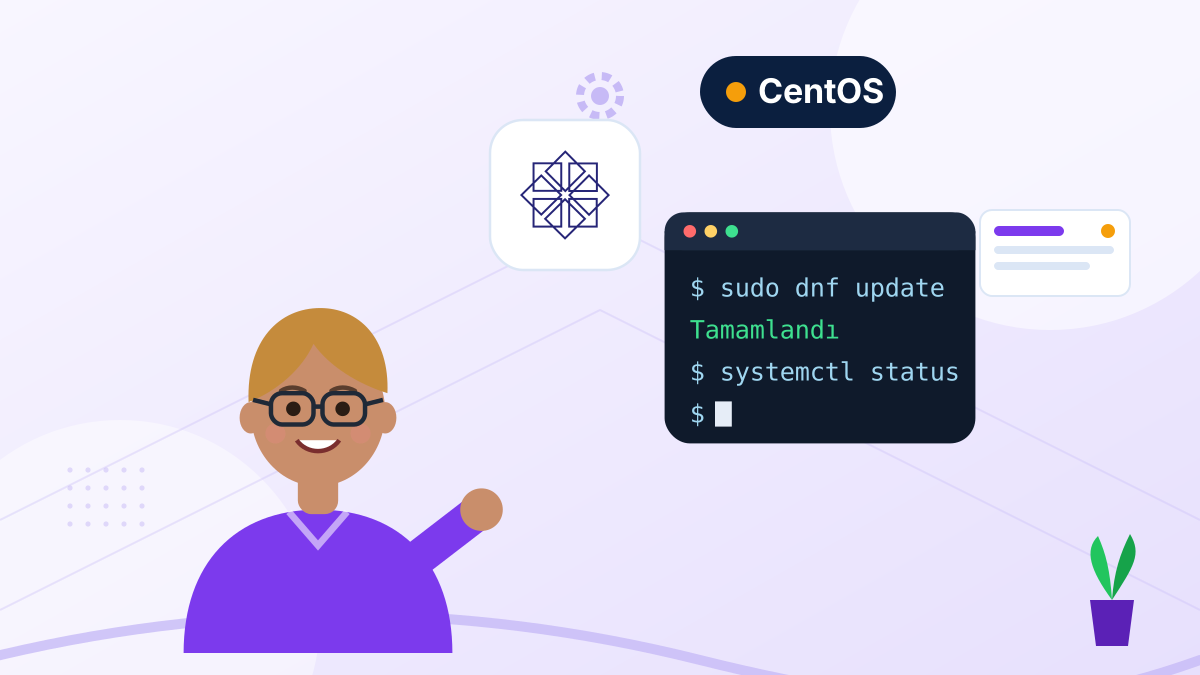
After installation, CentOS provides powerful tools for system management, such as the Yum package manager, which is used to install, update, and manage software packages. For those setting up a server, CentOS includes options for configuring web servers (like Apache or Nginx), database servers (like MySQL or PostgreSQL), and other critical infrastructure components. Additionally, CentOS’s compatibility with RHEL means that users can easily deploy enterprise-grade applications and services. For more detailed instructions, users can refer to the official CentOS documentation or the extensive community resources available online. For more details, you can visit our comprehensive CentOS guide.
What Are Its Structures?
CentOS’s structure is based on the same source code as RHEL, which ensures full binary compatibility with RHEL packages. This means that any application or service designed to run on RHEL will also run on CentOS without modification. The core structure of CentOS includes the Linux kernel, the Yum package management system, and a range of pre-installed software packages tailored to server and desktop environments. Users can further customize their CentOS installation by adding or removing software packages as needed.
One of the key components of CentOS’s structure is its focus on security and stability. CentOS incorporates SELinux (Security-Enhanced Linux) by default, which provides mandatory access controls to help protect the system from unauthorized access. Additionally, CentOS’s long-term support structure ensures that users receive regular security updates and bug fixes, making it a reliable choice for critical applications. The use of the Yum package manager also simplifies the process of keeping the system up to date, as it can automatically download and install updates from the CentOS repositories.
Why Is CentOS Important?
CentOS plays a critical role in the IT ecosystem, particularly for organizations that require a stable and secure platform for running applications and services. Its long-term support, strong security features, and compatibility with RHEL make it a trusted choice for enterprises, educational institutions, and government agencies. CentOS’s open-source nature also means that it can be freely distributed, modified, and used, making it accessible to a wide range of users.
Moreover, CentOS’s importance is underscored by its use in cloud computing environments. Many cloud service providers offer CentOS as a pre-configured option for virtual machines, allowing users to quickly deploy scalable and reliable infrastructure. This makes CentOS a cornerstone of many cloud-based deployments, where stability and uptime are paramount. Additionally, the widespread use of CentOS in server environments ensures that it remains a vital part of the global IT infrastructure.
Current Status of CentOS: The End of CentOS Linux and CentOS Stream
The CentOS project changed direction in 2020. Development of the classic CentOS Linux distribution stopped and CentOS Stream took its place:
- CentOS Linux 8: support ended on 31 December 2021.
- CentOS Linux 7: support ended on 30 June 2024; no more security updates are released.
- CentOS Stream: a continuously updated distribution that tracks just ahead of the next Red Hat Enterprise Linux (RHEL) release. It suits testing and early access to new features.
If you need a free, RHEL-compatible system with long-term support like classic CentOS, AlmaLinux and Rocky Linux are the most popular alternatives. Migration tools exist for CentOS 7 servers, such as the AlmaLinux ELevate project and the Rocky Linux migrate2rocky script; always take a full backup before migrating. Keeping an end-of-life release on an internet-facing server is risky because security vulnerabilities are no longer patched.
Sunucun VDS server plans let you choose AlmaLinux 9, Rocky Linux 9, CentOS Stream, Ubuntu, Debian and other Linux distributions.
Conclusion
CentOS is a powerful and reliable Linux distribution that is well-suited for a variety of use cases, from servers to desktops. Its stability, compatibility with RHEL, and long-term support make it a preferred choice for many users and organizations. By understanding what CentOS is, how it is used, and its key structures, users can make informed decisions about deploying CentOS in their environments. Whether you’re looking to set up a web server, run enterprise applications, or simply explore the world of Linux, CentOS offers a robust and dependable platform.
For a deeper understanding of CentOS and its capabilities, you can visit our detailed article on What is CentOS?.
Related guides


Categories
-
 CentOS
7 guides
-
cPanel
20 guides
-
CyberPanel
18 guides
-
Operating Systems
81 guides
-
Juniper Networks
18 guides
-
Control Panels
50 guides
-
Linux
17 guides
-
MySQL
29 guides
-
Network
95 guides
-
Plesk Panel
12 guides
-
Virtual Servers
273 guides
-
SEO
3 guides
-
Cyber Security
8 guides
-
Technology
162 guides
-
VMware
36 guides
-
WordPress
20 guides
-
Artificial Intelligence
22 guides