


10 Essential Insights About SFP Modules: Types, Uses, and Importance in Modern Networks
SFP modules, formally recognized as Small Form-factor Pluggable transceivers, stand as critical pillars within the architecture of modern network infrastructures. These compact yet powerful components provide the essential flexibility and scalability required to manage a diverse array of transmission distances and varying network speeds. By delivering tailored solutions for a multitude of networking scenarios, SFP modules empower network administrators to customize, expand, and refine their systems in a highly cost-effective manner. This inherent adaptability is vital as network ecosystems continue to grow and evolve, ensuring that the underlying infrastructure can seamlessly meet escalating demands without the need for significant, capital-intensive overhauls.
The application of these modules spans a wide spectrum of environments, extending from massive, enterprise-level data centers to agile, small-scale business networks. Their design versatility allows for effortless integration with a broad range of network hardware, establishing them as a preferred choice for organizations seeking to optimize performance while controlling operational costs. A deep understanding of the types, structures, and functional importance of SFP modules is key to achieving efficient and robust network management.
The primary utility of SFP modules lies in their ability to bridge the gap between different network standards and physical media. These modules are utilized by plugging directly into the dedicated SFP slots found on compatible network devices, including network switches, routers, and media converters. Once securely inserted, the module takes charge of the critical electrical and optical conversion processes. This function enables the physical connection of a network device port to specific types of fiber optic or copper cable networks, facilitating data flow across the system.
The immense versatility of SFP modules allows them to support a comprehensive range of networking applications. They are equally capable of handling short-range copper connections within a rack and facilitating long-distance fiber optic transmissions across a campus or city. This capability makes them indispensable in dynamic environments that demand rapid adaptability and precise network management. Beyond simple connectivity, the use of SFP modules offers substantial advantages in terms of maintenance and system upgrades. Because these modules are hot-swappable, network administrators can easily swap out modules for different types or speeds without powering down the entire device. This feature helps minimize costly downtime and significantly reduces the complexity involved in managing a growing network.

To understand their full potential, it is helpful to categorize SFP modules based on their physical design and transmission medium. They are primarily divided into two main categories: Optical SFP Modules and Copper SFP Modules. Each category is engineered to address specific needs and applications within the broader network environment.
Optical SFP modules are engineered for fiber optic cable connections and are a necessity for networks that demand high-speed data transmission over varying distances. These are further classified based on the type of fiber they utilize:
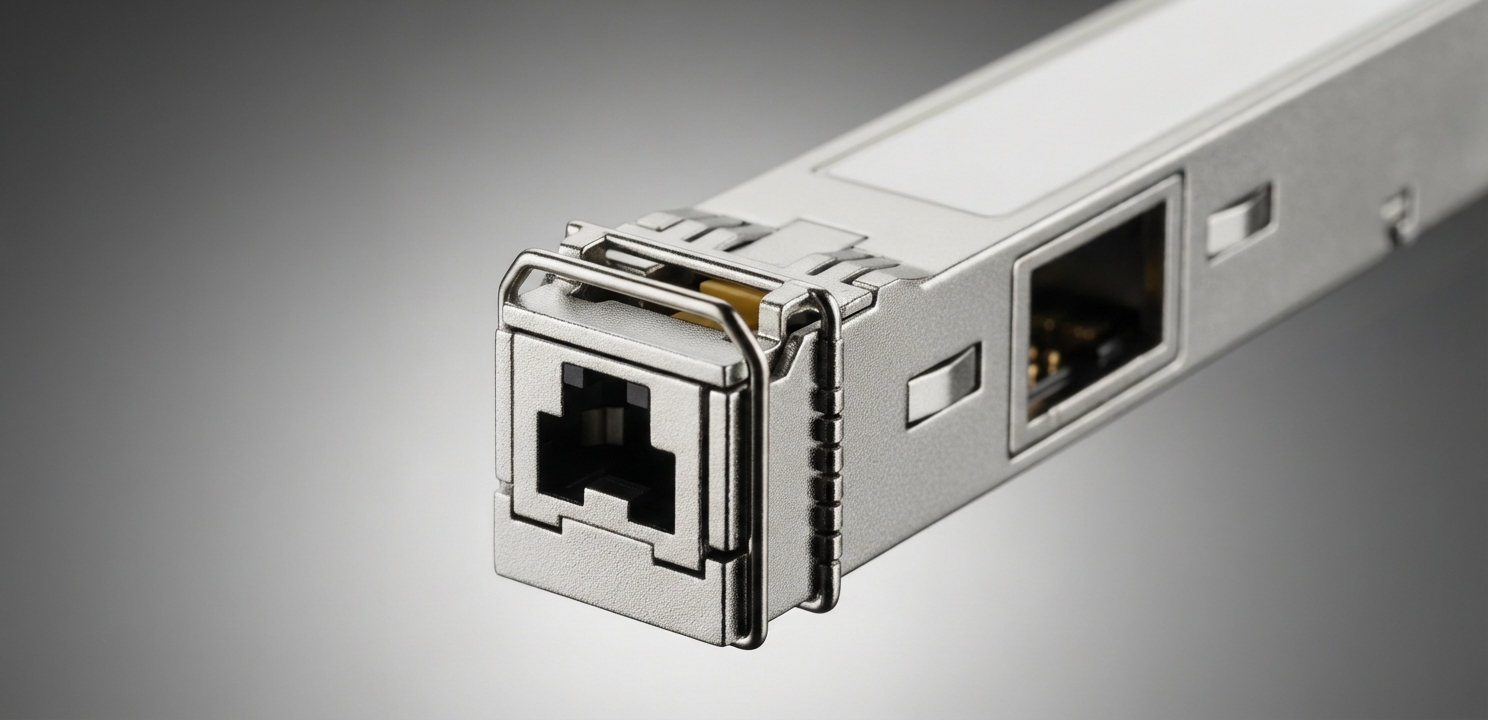
Copper SFP modules are designed to facilitate connections via standard copper cables and typically utilize a familiar RJ45 connector. These modules generally provide transmission speeds of 1Gbps or 10Gbps over distances restricted to approximately 100 meters. Despite the distance limitation compared to fiber, they are commonly used in data centers and enterprise networks where short-range, high-speed connectivity is essential for linking servers and switches. Furthermore, advanced variants such as SFP+ and QSFP (Quad Small Form-Factor Pluggable) are available to offer higher performance and capacity, directly supporting the increasing bandwidth demands of contemporary network infrastructures.
The inherent flexibility of these modules also extends to their broad compatibility with various network devices and technologies. A network administrator might strategically employ different types of SFP modules within the same switch to cater to distinct connectivity needs. This modularity simplifies the process of network expansion and allows for incremental upgrades. Such an approach is often far more cost-effective than a complete overhaul of the network infrastructure.
SFP modules play a pivotal role in enhancing the overall flexibility and scalability of network infrastructures. Their unique ability to switch between different types of network media and speeds—without requiring the replacement of existing switching hardware—significantly extends the operational lifespan of network investments. This capability leads to a reduction in the total cost of ownership, a factor that is especially important in today’s fast-paced technological landscape where network requirements can shift rapidly.
Moreover, SFP modules contribute extensively to the efficiency of network management processes. By enabling easy upgrades and expansions, they allow network administrators to respond swiftly to changing organizational demands, ensuring that the network remains robust and capable of handling increased traffic loads. This responsiveness is particularly crucial for businesses that rely on seamless, uninterrupted connectivity to maintain operations and deliver services to clients. In the context of global standards, these components enable reliable communication across modern network infrastructures, ensuring consistency and interoperability.
Security is another critical dimension where SFP modules add value. They support network security by providing stable, consistent, and reliable connections, which effectively reduces the risk of physical layer network failures and potential data breaches. As the imperative for network security becomes increasingly critical, the role of reliable hardware components cannot be overstated. By ensuring that data transmission is consistent and secure, these modules help protect sensitive information and maintain the integrity of critical network operations.
In addition to their functional and security benefits, SFP modules are designed with energy efficiency in mind. As organizations globally seek to reduce their environmental impact and lower operational energy costs, the deployment of energy-efficient hardware becomes an important consideration. SFP modules help minimize power consumption without compromising on performance, making them a sustainable choice for building future-proof network infrastructures. Whether you are constructing a new network from the ground up or upgrading an existing system, recognizing the advantages of SFP modules is essential for creating a resilient and efficient technological foundation.