


Juniper Virtual Chassis Configuration for QFX5100
The Juniper QFX5100 series switches are widely recognized in the networking industry for their high-performance capabilities, advanced network security features, and highly flexible configuration options. Designed to meet the demanding requirements of modern enterprise data centers and campus networks, these switches offer robust security mechanisms that are essential for protecting sensitive corporate data and ensuring business continuity. When deployed in conjunction with Juniper’s innovative Virtual Chassis technology, the QFX5100 series provides an even more powerful and unified solution for managing and securing large-scale network infrastructures. By consolidating multiple physical switches into a single logical device, administrators can streamline operations while leveraging comprehensive security protocols to safeguard the entire network fabric.
The Juniper QFX5100 encompasses a wide range of sophisticated network security features specifically designed to enhance the resilience and integrity of your network infrastructure. These features are essential for preventing unauthorized access, mitigating a variety of cyber threats, and ensuring the smooth, uninterrupted operation of critical network services. Understanding and utilizing these tools is the first step toward a hardened network environment.
Access Control Lists (ACLs)
Access Control Lists (ACLs) represent a critical component in the strategy for securing network traffic on the Juniper QFX5100. Functioning as the network’s gatekeepers, ACLs are used to systematically permit or deny traffic based on specific, granular criteria such as source and destination IP addresses, protocol types, and TCP/UDP port numbers. By carefully implementing ACLs, network administrators can exercise precise control over which types of traffic are allowed to enter or exit the network boundaries. This capability is vital for preventing unauthorized access to sensitive network segments and protecting valuable data from potential exfiltration or tampering.
Port Security
Port security is another indispensable feature of the Juniper QFX5100, offering a suite of defensive tools that include MAC address learning restrictions, port-based security controls, and DHCP snooping. These features work in concert to prevent unauthorized devices from physically or virtually connecting to the network. For instance, by restricting the specific MAC addresses that are permitted to communicate through certain ports, network administrators can ensure that only known, authorized devices are granted connectivity. This significantly reduces the risk of security breaches caused by rogue devices or malicious actors attempting to plug into the network infrastructure.
Storm Control
Storm Control on the Juniper QFX5100 is designed to limit the impact of broadcast, multicast, and unknown unicast traffic storms that can otherwise overwhelm network resources and degrade performance. Without adequate control, these traffic surges can lead to network congestion or complete outages. By monitoring traffic levels and suppressing packets that exceed predefined thresholds, Storm Control ensures that the network remains stable and available, effectively preventing potential denial-of-service conditions that could be exploited by attackers to disrupt business operations.
Dynamic ARP Inspection (DAI)
Dynamic ARP Inspection (DAI) is a specialized security feature designed to prevent Address Resolution Protocol (ARP) spoofing and ARP poisoning attacks. In these types of attacks, a malicious actor sends falsified ARP messages to associate their MAC address with the IP address of a legitimate server or gateway, thereby intercepting data. DAI on the Juniper QFX5100 mitigates this risk by verifying the authenticity of ARP requests and responses against a trusted database, ensuring that only legitimate devices can communicate on the network and preventing man-in-the-middle attacks.
IP Source Guard
IP Source Guard is a proactive security feature that helps prevent IP spoofing attacks by verifying the IP-to-MAC address bindings of traffic entering the network. Attackers often attempt to disguise their identity by spoofing source IP addresses to bypass security filters. By ensuring that only traffic with valid, verified source addresses is allowed to pass, IP Source Guard protects against these deception techniques, thereby maintaining the trustworthiness and integrity of the network communications.
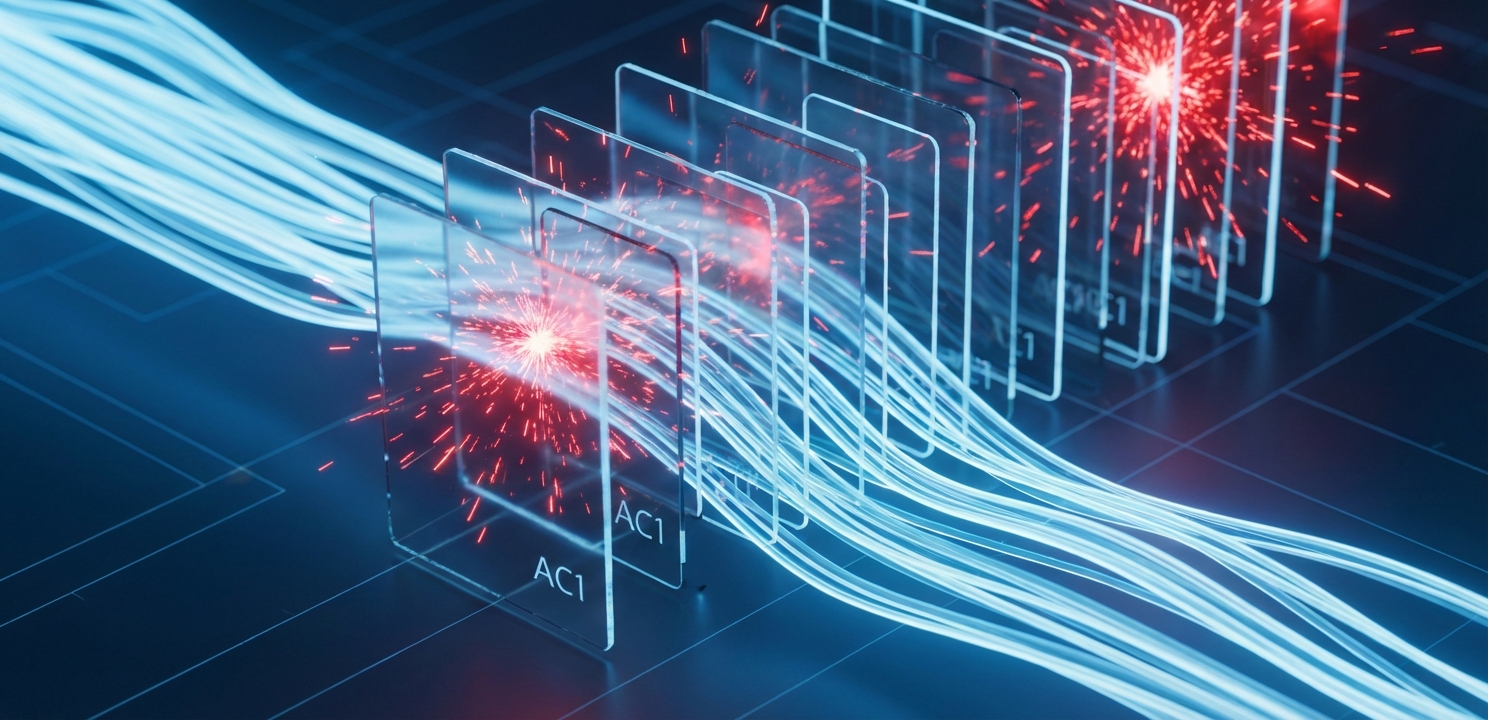
Firewall rules are essential for controlling the flow of traffic through your network and ensuring that only authorized communications are permitted between different network segments. The Juniper QFX5100 allows administrators to configure these comprehensive rules directly through the Junos operating system, providing fine-grained control over network security policies.
The process of configuring firewall rules on the Juniper QFX5100 involves creating detailed firewall filters that define specific conditions for traffic flow. Administrators can construct complex logic to match packets based on various header fields. For example, you can create a filter that explicitly allows incoming ICMP packets for diagnostic purposes while blocking all other types of unsolicited traffic. Once the filter is defined, it must be applied to a specific physical or logical interface to enforce the desired security policy. This flexible approach allows administrators to tailor their network security posture to the specific operational needs and risk profiles of their organization, ensuring a customized and effective defense strategy.
When configuring a Virtual Chassis, it is crucial to implement strong, consistent security policies to protect the combined infrastructure. A Virtual Chassis configuration allows multiple physical switches to operate and be managed as a single logical device, which greatly simplifies network management and redundancy. However, this unified architecture also requires a unified security approach. By applying robust security policies across the entire Virtual Chassis, you can ensure that your configuration is as secure as possible, protecting against both internal vulnerabilities and external threats.
Data Protection
Strong security policies are fundamental to protecting sensitive data within your Virtual Chassis environment. By strictly controlling user access and continuously monitoring traffic flows, these policies ensure that only authorized users and applications can access critical resources. This rigorous access control reduces the risk of data breaches and ensures that confidential information remains secure within the virtualized switching fabric.
Network Performance
Implementing security policies that filter out unnecessary, malicious, or malformed traffic can significantly improve overall network performance. By prioritizing legitimate business traffic and blocking potential threats such as denial-of-service attacks or broadcast storms at the edge, these policies help maintain the efficiency, low latency, and reliability of your Virtual Chassis Configuration. This ensures that bandwidth is reserved for critical applications rather than being consumed by harmful noise.
Compliance
Adhering to industry standards and regulatory requirements is critical in today’s complex business environment. Security policies ensure that your Virtual Chassis configuration complies with relevant guidelines, helping your organization avoid potential fines, legal issues, and reputational damage. For foundational knowledge on the protocols and standards that underpin these configurations, organizations often refer to the open standards maintained by the Internet Engineering Task Force (IETF).
Protection Against Attacks
Robust security policies are essential for defending against sophisticated attacks targeting your Virtual Chassis configuration. These policies provide the intelligence needed to detect and block malicious activity in real-time, ensuring that your network remains secure and resilient against an evolving landscape of threats. By hardening the Virtual Chassis, you ensure that the management plane and data plane are equally protected against compromise.
The Juniper QFX5100 series switches, when combined with Virtual Chassis technology, offer a powerful and secure networking solution for modern enterprises. By leveraging the advanced security features and implementing strong security policies, organizations can effectively protect their network infrastructure, ensure regulatory compliance, and maintain optimal performance levels. Properly configuring these features in a Virtual Chassis environment further enhances the security and reliability of the network, providing peace of mind in an increasingly complex threat landscape.