


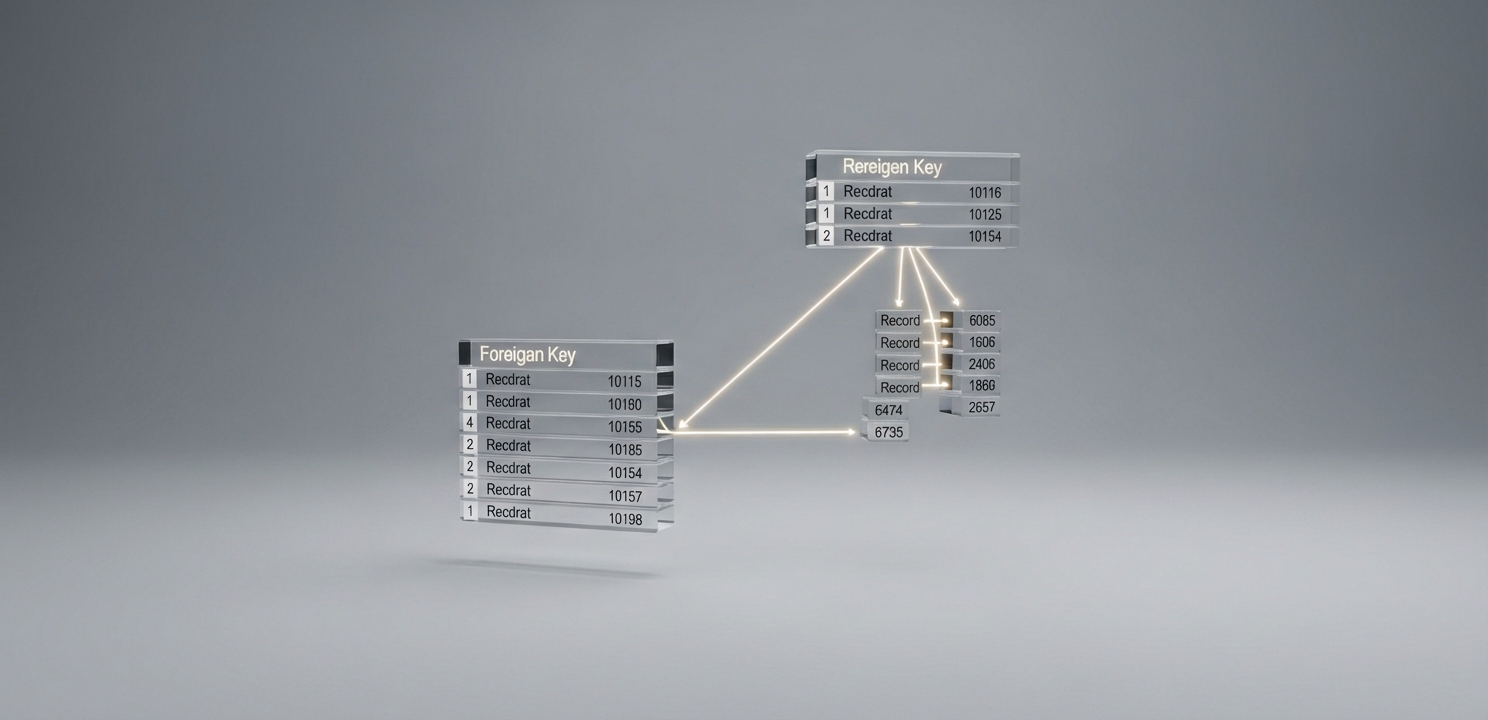
Mysql Table Operations
Effective Mysql Table Operations are a cornerstone of robust database management, providing the essential framework for how data is organized, stored, and accessed. Tables are the fundamental structures where all information resides, making a deep understanding of their manipulation critical for any database administrator or developer. Mastering how to properly create, modify, query, and delete tables is the key to maintaining an efficient, well-structured, and high-performing database system. This guide explores the essential aspects of table operations in MySQL, detailing their structure, importance, and the best practices that ensure data integrity and system reliability.
In MySQL, tables are meticulously organized with several key components that collectively define how data is stored, related, and retrieved. A clear grasp of these elements is necessary before creating an efficient and scalable database architecture. These components work together to provide a logical and performant system for managing information.
The primary structure of a database is built upon tables, columns, and rows, each serving a distinct purpose in data organization. Understanding their relationship is fundamental to database design.
INTEGER for numbers, VARCHAR for text, or DATE for time-based values, which dictates the kind of information it can contain.Beyond the basic structure, tables rely on indexes and constraints to maintain data accuracy and optimize retrieval speeds. These components are vital for building a reliable and fast database.

Performing table operations in MySQL involves a set of core commands that allow for complete control over the database structure and the data it holds. These operations range from the initial creation of tables to their eventual deletion when they are no longer needed, covering every stage of the data lifecycle.
The foundational commands for structural management are `CREATE`, `ALTER`, and `DROP`. These commands are used to define, update, and remove table structures within the database.
CREATE TABLE statement is used to define and build a new table. This command allows you to specify all its columns, their respective data types, and any constraints from the outset. For detailed syntax and options, you can refer to the official MySQL documentation.ALTER TABLE command is used. This versatile command can add or remove columns, change a column’s data type, or add and drop constraints to adapt to evolving application requirements.DROP TABLE command permanently removes a table and all the data it contains from the database. This is an irreversible action that deletes the entire table structure, so it must be used with extreme caution.Once a table is populated with data, retrieving that information becomes the most common operation. The SELECT command is the primary tool for this task, offering powerful capabilities to filter, sort, and group data. By combining SELECT with clauses like WHERE, you can filter for specific records. The ORDER BY clause allows you to sort the results, and GROUP BY is used to aggregate rows that have the same values into summary rows.
Properly executed table operations are indispensable for keeping a database organized, efficient, and aligned with user and application needs. Their importance extends across several key areas of database administration. Diligent data management through well-defined tables ensures that information is structured logically, making it easy to retrieve and maintain. This foundational organization prevents data chaos and supports systematic data handling.
Furthermore, data integrity is a critical benefit of effective table operations. By using constraints like primary and foreign keys, you enforce rules that maintain the accuracy and consistency of your data. This prevents anomalies and ensures the database serves as a reliable source of truth. Performance optimization is another significant advantage. Well-designed tables, coupled with the strategic use of indexes on frequently queried columns, can drastically reduce query execution time, leading to a faster and more responsive application.
Structured tables also enhance data accessibility, making it simpler for applications and analysts to retrieve the information they need for reporting, analytics, and critical decision-making. As data volume grows, this organized structure is vital for scalability. A well-designed database can handle increasing loads without suffering performance degradation, ensuring long-term viability. Finally, table-level security controls allow administrators to grant or restrict access to sensitive data, protecting confidential information and ensuring that only authorized users can view or modify it.