
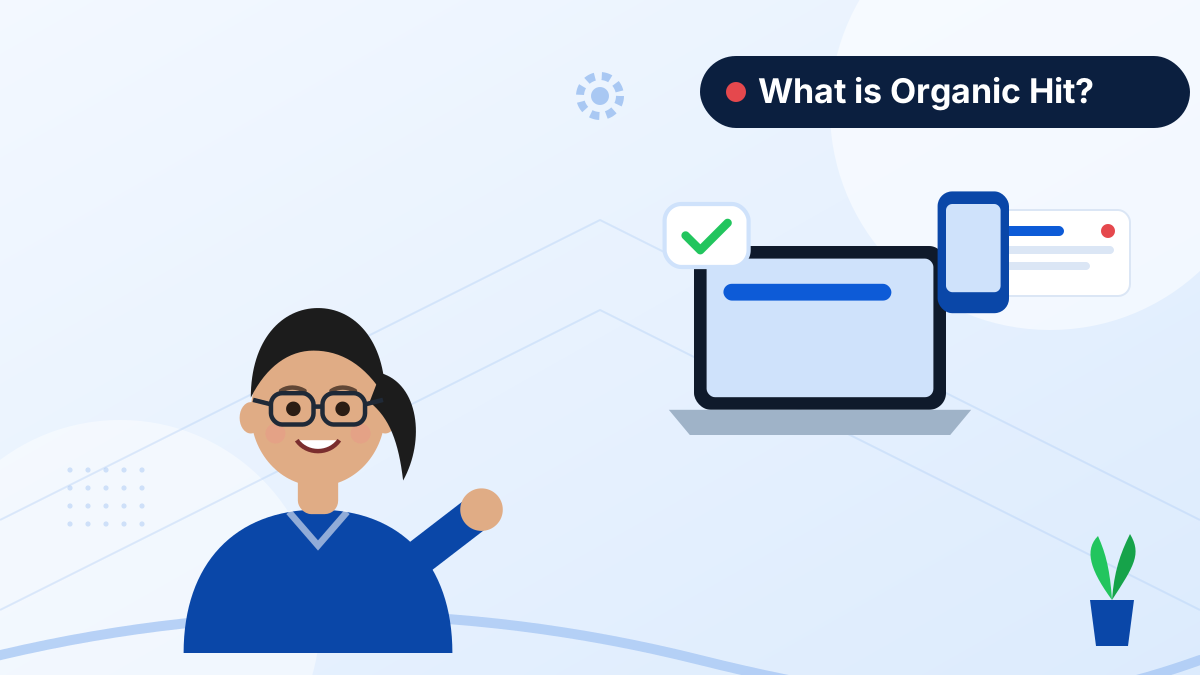
An organic hit is a visit to a website that comes from the free (non-advertising) results of search engines such as Google, Bing and Yandex. A user searches for a word, sees your site in the results and clicks; no advertising fee is paid for that click. In digital marketing, the same concept is also called organic traffic or organic search traffic. In Turkish, the term organik hit is widely used.
The Difference Between Organic, Paid and Bot Hits
| Traffic type | Where it comes from | Cost | Real visitor? |
|---|---|---|---|
| Organic hit | Free search engine results | No cost per click; requires SEO work | Yes |
| Paid (advertising) traffic | Google Ads, social media ads | Paid per click or impression | Yes |
| Direct traffic | Visitors who type the address or use a bookmark | Free | Yes |
| Referral | Links on other sites | Usually free | Yes |
| Bot / purchased hits | Software and services that sell hits | Paid | No |
A Warning About “Buying Organic Hits”
Most packages sold online as “organic hits” are visits generated by bots or paid click networks; by definition they are not organic. These visits bring no customers, readers or sales, and they distort your data in tools such as Google Analytics, making it harder to make the right decisions. Google’s search spam policies also work against practices aimed at manipulating search results. Lasting organic traffic can only be earned with pages that answer searched questions well.
Why Are Organic Hits Important?
- No cost per click: Paid traffic stops when the ad budget runs out, while a well-ranked page can bring visitors for months.
- Visitors with high intent: Users come for exactly what they searched for, which increases the chance of contact, sign-up or sale.
- Trust: Appearing near the top of search results supports brand awareness and credibility.
- Cumulative effect: Every new quality page adds to the site’s total organic visibility.
How to Measure Organic Hits
- Google Search Console: The Performance report shows how many times your site appeared on Google (impressions), how many clicks it got, the click-through rate (CTR), the average position and which queries the visits came from. It is the most direct source for organic hits.
- Google Analytics 4: On the Reports > Acquisition > Traffic acquisition screen, the Organic Search row in the default channel group shows sessions from free search engine results.
- Bing Webmaster Tools / Yandex Webmaster: Used to track organic clicks from these search engines separately.
The numbers in the two tools do not match exactly: Search Console counts clicks in the search results, while Analytics counts sessions that start on the site; visitors who do not give cookie consent may not appear in Analytics.
How to Increase Organic Hits
- Keyword research: Find out what your target audience really searches for; focus each page on one main question.
- Content that matches search intent: Answer the user’s question clearly in the first paragraph, then support it with detail, examples and tables.
- Title and description: Write the title and meta description shown in search results so that they are worth clicking and match the page content. Pages with high impressions but low CTR in Search Console are the first candidates for improvement.
- Technical SEO: Fast-loading pages, mobile-friendliness, HTTPS, a correct sitemap and indexability.
- Internal links: Link related articles to each other to guide both users and search engines.
- Quality links (backlinks): Earn links naturally from trusted sites in your field; avoid buying links.
- Keep content up to date: Regularly update outdated information, dates and prices.
If you use WordPress, our article on WordPress plugins for SEO is a good start. For organic visitors to stay on your site, pages need to load quickly and the site needs to stay online without interruption; you can put your site online with our hosting plans.
Frequently Asked Questions
How long does it take for organic hits to increase?
There is no fixed time. Getting a new page indexed and its ranking settled usually takes weeks, and for competitive keywords it can take months. Evaluate changes in Search Console by comparing periods of at least a few weeks.
Do visitors from social media count as organic hits?
“Organic hit” is usually used for search engine traffic. Visits from unpaid social media posts are reported separately in Analytics in the Organic Social channel.
Related guides

Categories
-
 CentOS
7 guides
-
cPanel
20 guides
-
CyberPanel
18 guides
-
Operating Systems
81 guides
-
Juniper Networks
18 guides
-
Control Panels
50 guides
-
Linux
17 guides
-
MySQL
29 guides
-
Network
95 guides
-
Plesk Panel
12 guides
-
Virtual Servers
273 guides
-
SEO
3 guides
-
Cyber Security
8 guides
-
Technology
162 guides
-
VMware
36 guides
-
WordPress
20 guides
-
Artificial Intelligence
22 guides