

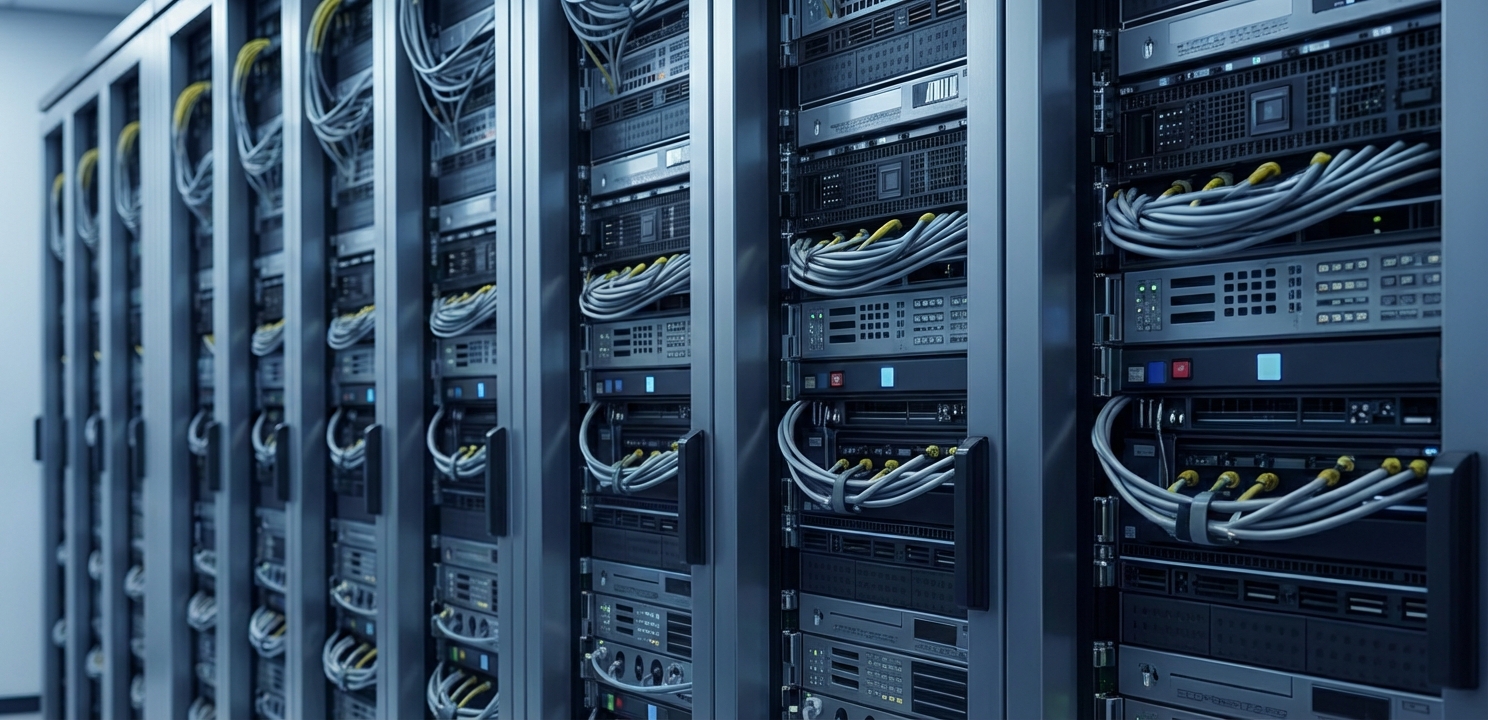
Data Center Management
Data center management is an essential discipline that rigorously involves the comprehensive processes and practices required for planning, deploying, monitoring, managing, and maintaining the critical resources within a data center. These vital resources constitute the technological backbone of an organization’s IT infrastructure, playing a pivotal and irreplaceable role in ensuring the smooth, uninterrupted functioning of daily business operations. This discipline encompasses a wide and complex range of components, including physical hardware, software applications, network configurations, strict security protocols, and general resource administration. Effective management of these elements is critical for achieving sustained business continuity, optimizing system performance, and securing sensitive corporate data against emerging threats. As modern businesses increasingly rely on robust digital infrastructure to deliver services, the role of data centers becomes ever more significant, making efficient management not just an operational option, but a strategic necessity for success.
Planning and Design
The foundation of successful data center operations lies in the careful, detailed planning and design of the infrastructure. This initial process involves defining both the physical and logical structure of the facility to ensure it fully meets current operational demands and future business needs. It includes a thorough assessment of physical space requirements, precise calculations for power and cooling needs, the definition of the network architecture, and the establishment of comprehensive disaster recovery plans. Proper planning ensures that the facility is scalable, resilient, and capable of supporting the organization’s long-term growth. Furthermore, this strategic foresight allows businesses to anticipate potential future challenges and proactively address them, which is crucial in maintaining long-term operational efficiency and avoiding costly retrofits later.
Deployment and Implementation
Once the planning phase is rigorously completed, the deployment and implementation phase brings the facility to life. This stage includes the procurement of necessary hardware components such as high-performance servers, storage devices, and complex networking equipment. It also involves the precise installation and configuration of software applications, operating systems, and essential virtualization platforms. Network setup is a crucial part of this phase, ensuring that all components are interconnected securely and able to communicate effectively. Deployment also includes the commissioning of services and ensuring that all systems are fully operational and optimized for peak performance. A well-executed implementation phase lays the groundwork for a robust and reliable IT infrastructure, which can adapt to changing demands with minimal disruption to the business.
Monitoring and Management
Continuous monitoring and proactive management of the infrastructure are key to maintaining optimal performance levels around the clock. This involves using advanced automation tools, sophisticated monitoring software, and real-time notification systems to track the health and performance of hardware, software, and network components. Effective monitoring helps administrators identify potential issues before they escalate into critical failures, allowing for timely intervention. Management tasks also include intelligent load balancing, efficient resource allocation, and regular performance tuning to ensure that the facility operates efficiently and meets the dynamic demands of the organization. Effective monitoring not only prevents costly downtime but also provides valuable insights into system performance, helping teams to fine-tune operations and achieve maximum efficiency.
Maintenance and Updates
Regular maintenance is vital to prevent hardware failures and ensure the environment remains up to date with the latest software patches and security updates. Maintenance activities include routine checks for hardware wear and tear, updating device firmware, and applying software patches to fix known vulnerabilities. Keeping the infrastructure current helps avoid unexpected downtimes and ensures that the systems are secure and performing optimally. Scheduled maintenance windows are typically used to perform these tasks with minimal disruption to ongoing business operations. Additionally, proactive maintenance extends the useful lifespan of hardware assets, significantly reducing the need for costly emergency repairs and premature replacements.
Security Management
Security is a critical component of the management lifecycle. It involves implementing stringent measures to protect proprietary data, applications, and the network from unauthorized access, breaches, and other sophisticated cyber threats. Security management includes the deployment of robust firewalls, intrusion detection systems, strong encryption protocols, and strict access controls. Regular security audits and vulnerability assessments are also conducted to identify and address potential security gaps before they can be exploited. In addition, compliance with industry standards and regulations is strictly maintained to ensure the protection of sensitive data. As cyber threats evolve, a robust security management strategy is essential to safeguarding critical assets and maintaining the trust of customers and stakeholders.

Business Continuity
Effective oversight ensures that the IT infrastructure remains reliable and resilient, significantly minimizing the risk of unplanned downtime. This reliability is critical for maintaining business operations and ensuring that services are always available to customers and stakeholders when they need them. Business continuity also involves comprehensive disaster recovery planning, ensuring that in the event of an unexpected incident, data and operations can be restored quickly, minimizing any negative impact on the organization’s productivity and revenue.
Resource Optimization
By effectively managing resources, administrators enable the optimal use of hardware, software, and network components. This strategic approach not only improves performance but also helps reduce overall operational costs. Resource optimization involves balancing workloads across servers, consolidating hardware where possible, and ensuring that energy consumption is kept to a minimum. Efficient resource management also contributes to corporate sustainability efforts, reducing the carbon footprint associated with large-scale data center operations.
Security and Compliance
In today’s complex digital landscape, protecting sensitive data is more important than ever. Rigorous management ensures that robust security measures are in place to defend against cyberattacks and data breaches. Compliance with major regulations such as GDPR, HIPAA, and PCI DSS is also maintained, helping businesses avoid severe legal penalties and protect their corporate reputation. Ensuring compliance not only safeguards against financial penalties but also strengthens the overall security posture of the organization against external threats.
Scalability and Flexibility
A well-managed facility is designed to scale and adapt to changing business needs. As organizations grow, the infrastructure must be able to accommodate increased workloads, new technologies, and additional services without friction. Scalability ensures that the environment can expand without compromising performance or security standards. Flexibility in design also allows for the seamless integration of emerging technologies, keeping the organization competitive in a rapidly evolving market.
Disaster Recovery and Risk Management
Management protocols include planning and implementing disaster recovery strategies. These strategies ensure that critical data is backed up regularly and can be restored quickly in the event of a catastrophic failure or disaster. Risk management practices are also employed to identify potential threats and mitigate their impact on operations. A comprehensive disaster recovery plan not only protects against permanent data loss but also ensures business continuity, even in the face of unexpected challenges.
This complex and multi-faceted discipline plays a vital role in the success of any organization. By effectively managing the infrastructure, businesses can ensure the security, efficiency, and reliability of their IT operations. A well-executed strategy not only supports business growth but also provides a distinct competitive advantage by optimizing resources, enhancing security, and ensuring business continuity. In a world where data is a critical asset, robust management practices are essential for any organization looking to thrive in the digital age. Implementing these practices requires a steadfast commitment to continuous improvement, ensuring that the environment remains resilient, scalable, and secure in the face of evolving challenges.