


CyberPanel Setup
CyberPanel is a popular control panel for web hosting and server management, designed to provide a high-performance, user-friendly experience. It is built upon the OpenLiteSpeed web server, which ensures that users receive a fast and reliable web hosting solution. This combination of an intuitive interface and powerful underlying technology makes it a preferred choice for many developers and website owners. A proper installation is the first step toward leveraging its wide range of features for efficient server administration. For more detailed official information, you can always refer to the CyberPanel website. This guide provides a detailed overview of the CyberPanel installation process, its structure, and its commands to help you get started.
The entire installation process is handled through the command line of your server. This requires connecting to your server remotely and executing a series of commands to download, configure, and install the control panel. Following these steps carefully will ensure a smooth setup.
The first action is to establish a secure connection to your server. This is done using SSH (Secure Shell), which allows you to remotely manage your server as the root user. Once connected, it is a critical best practice to update your system’s packages. This ensures all existing software is up-to-date, which can prevent potential conflicts and security vulnerabilities during the installation.
To connect to your server, use the following command, replacing “ipaddress” with your server’s actual IP:
ssh root@ipaddress
After you are prompted, enter your root password to log in. If this is a newly created server, running a system update is highly recommended. You can update your system with this command:
yum -y update
With the server updated, you should navigate to the root directory to ensure the installation files are placed in the correct location. This is a standard practice to keep the system organized.
cd ~

The core of the CyberPanel setup is its automated installation script. This script must first be downloaded to your server. The wget command is used for this purpose. If your system does not have wget installed, you will need to install it before proceeding.
Use the following command to download the installer:
wget -O installer.sh https://cyberpanel.net/install.sh
If you receive an error, install the wget package with:
yum install wget
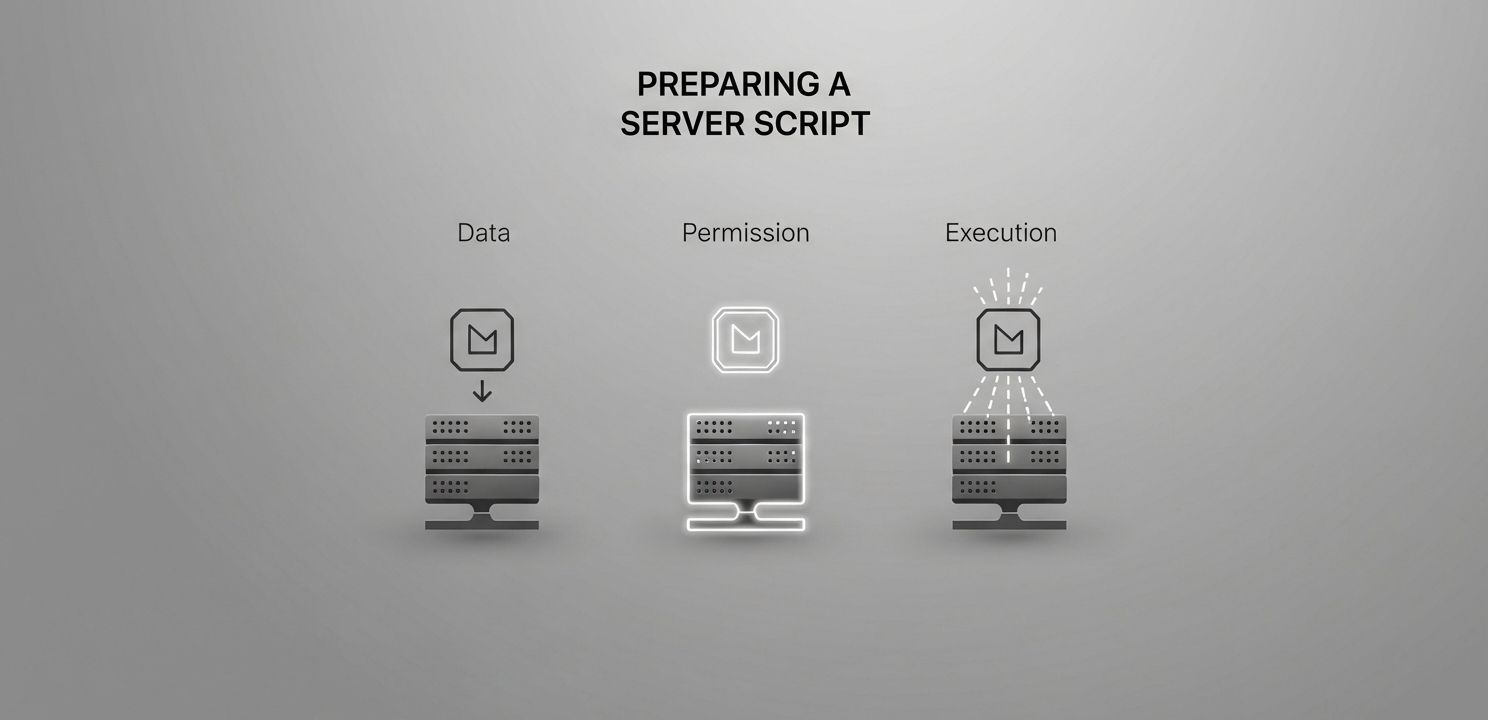
Once the script is downloaded, you must make it executable. File permissions in Linux control who can read, write, or execute a file. The next command grants the necessary execute permission.
chmod 755 installer.sh
Now you are ready to run the installer:
sh installer.sh
After running the script, you will be presented with a series of interactive prompts to customize your CyberPanel installation. The first choice is to begin the main installation. You will be asked to choose from three options:
Select option 1 to proceed with the CyberPanel installation. Next, you will choose the version of CyberPanel you want to install. The script offers the free version with OpenLiteSpeed or the enterprise version. For this guide, we select option 1 for the free version.
The installer will then ask you to set the password for the admin user. You have three choices:
Following the password selection, you will be asked about using JS Delivr for CDN services to load panel resources, which can improve loading speed. It is generally safe to answer y (yes). The subsequent prompts will ask if you wish to install popular caching extensions and databases like Memcached, LiteSpeed Memcached, and Redis. It is recommended to install LiteSpeed Memcached by selecting y. For the others, you can choose based on your specific application needs. Answering y to these prompts will install them; N will skip them.
Once all selections are made, the installation will begin automatically, a process that typically takes between 3 to 10 minutes. Upon completion, the system will display a success message with all the crucial details needed to access your new panel, including the login URL, admin username, and passwords for both CyberPanel and MySQL.
The confirmation screen will provide the following details:
With this information, your installation is complete, and you can now log in to the CyberPanel dashboard to begin managing your server and websites.