A Linux computer is a computer that runs a Linux distribution instead of Windows or macOS as its operating system. You can buy a device with Linux preinstalled, or install it yourself on your current computer. Thanks to its modest hardware needs, Linux is also a popular way to give old computers a new life.
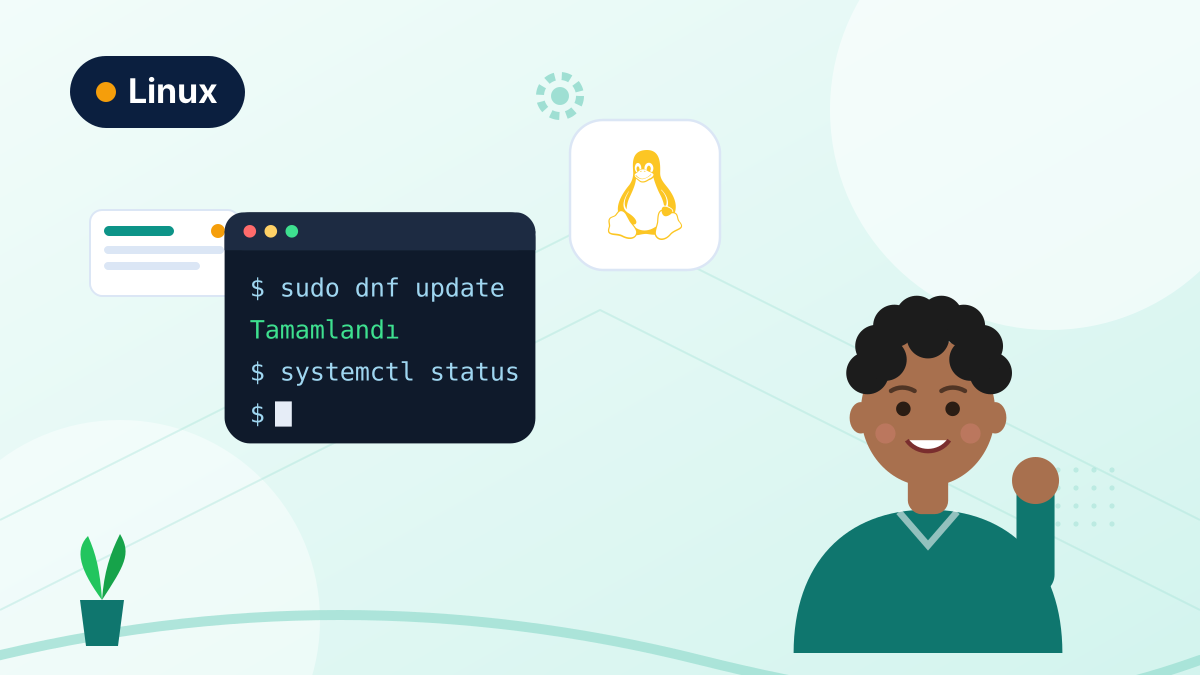
In this article we explain which computers Linux can be installed on, what to watch for in terms of hardware compatibility, suitable distributions for old and new computers and a pre-installation checklist.
Which Computers Can Run Linux?
Linux can be installed on the vast majority of laptops and desktops sold today. Roughly:
| Computer type | Linux compatibility | Note |
|---|---|---|
| Desktop with an Intel or AMD CPU | Usually trouble-free | The most flexible option, since parts are easy to swap |
| Laptop with an Intel or AMD CPU | Mostly good | Drivers may need checking for the Wi-Fi card, fingerprint reader and some audio chips |
| Older computers (8–15 years old) | Good | Can run smoothly with lightweight distributions |
| Apple Silicon (M-series) Macs | Limited | Possible with some community projects, but hardware support isn’t complete |
| ARM boards such as Raspberry Pi | Good | Distribution builds made for ARM are used |
What to Watch for in Hardware Compatibility
- Wi-Fi and Bluetooth: Intel wireless cards usually work out of the box. Some Broadcom and Realtek cards may need extra drivers.
- Graphics card: Intel and AMD graphics drivers are included in the kernel. For NVIDIA cards you usually need to install the vendor’s driver separately for performance.
- Printers and scanners: many models work with CUPS; check the manufacturer’s Linux support before buying.
- Secure Boot: major distributions such as Ubuntu and Fedora can be installed with Secure Boot on. Some distributions may require turning it off.
- Sleep and battery management: on some laptops, sleep mode and battery life may behave differently than on Windows.
The most practical test: write the distribution to a USB stick and boot the computer in live mode. Without installing anything, you’ll see whether Wi-Fi, sound, the display and the touchpad work.
Which Distribution for Which Computer?
| Situation | Recommended distributions |
|---|---|
| New to Linux, modern computer | Ubuntu, Linux Mint |
| Old computer with little RAM (2–4 GB) | Linux Mint Xfce, Lubuntu, Xubuntu |
| Software development | Ubuntu, Fedora |
| Gaming | Pop!_OS, Ubuntu (with Steam) |
| Security testing and training | Kali Linux (usually in a virtual machine) |
For more on distributions, see our article what is Linux.
Minimum Hardware Requirements
Requirements vary with the desktop environment you choose. Roughly:
- Lightweight desktops (Xfce, LXQt): can run with 2 GB RAM; 4 GB gives comfortable use.
- Full-featured desktops (GNOME, KDE Plasma): run with 4 GB RAM; 8 GB is recommended.
- Disk: 25 GB or more; an SSD makes a big difference to boot and app speed compared with an HDD.
For exact figures, check the official system requirements of your chosen distribution.
Pre-Installation Checklist
- Back up your important files to an external drive or the cloud.
- Download the distribution’s ISO only from its official site and verify the checksum.
- Write the ISO to a USB stick (e.g. with balenaEtcher or Rufus).
- Boot the computer from USB in live mode and test the hardware.
- If you want to keep Windows, choose dual boot and check the disk partitions carefully.
- After installation, update the system and install extra drivers if needed.
Buying a Computer with Linux Preinstalled
Some manufacturers sell certain models with Linux preinstalled or tested for Linux. On these devices, driver support has already been verified. If you can’t find a preinstalled option, searching for the model name together with “Linux” before buying to read other users’ experiences is a good approach.
Frequently Asked Questions
Can a Linux computer run Windows programs?
Some programs can run with Wine or Proton, but not all are supported. If there’s a Windows program you can’t do without, you can use dual boot or a virtual machine.
Will installing Linux speed up my old computer?
In most cases, yes. A lightweight distribution and desktop environment can run more smoothly on old hardware than current Windows versions. Replacing the disk with an SSD also makes a big difference.
Will installing Linux delete Windows?
If you choose “Install alongside Windows” during installation, Windows is kept. “Erase disk and install” wipes the whole disk, so take a backup first.
Is a Linux computer secure?
Linux has a strong permission model, but you still need to install updates regularly and get software from trusted sources.
Related guides


Categories
-
 CentOS
7 guides
-
cPanel
20 guides
-
CyberPanel
18 guides
-
Operating Systems
81 guides
-
Juniper Networks
18 guides
-
Control Panels
50 guides
-
Linux
17 guides
-
MySQL
29 guides
-
Network
95 guides
-
Plesk Panel
12 guides
-
Virtual Servers
273 guides
-
SEO
3 guides
-
Cyber Security
8 guides
-
Technology
162 guides
-
VMware
36 guides
-
WordPress
20 guides
-
Artificial Intelligence
22 guides